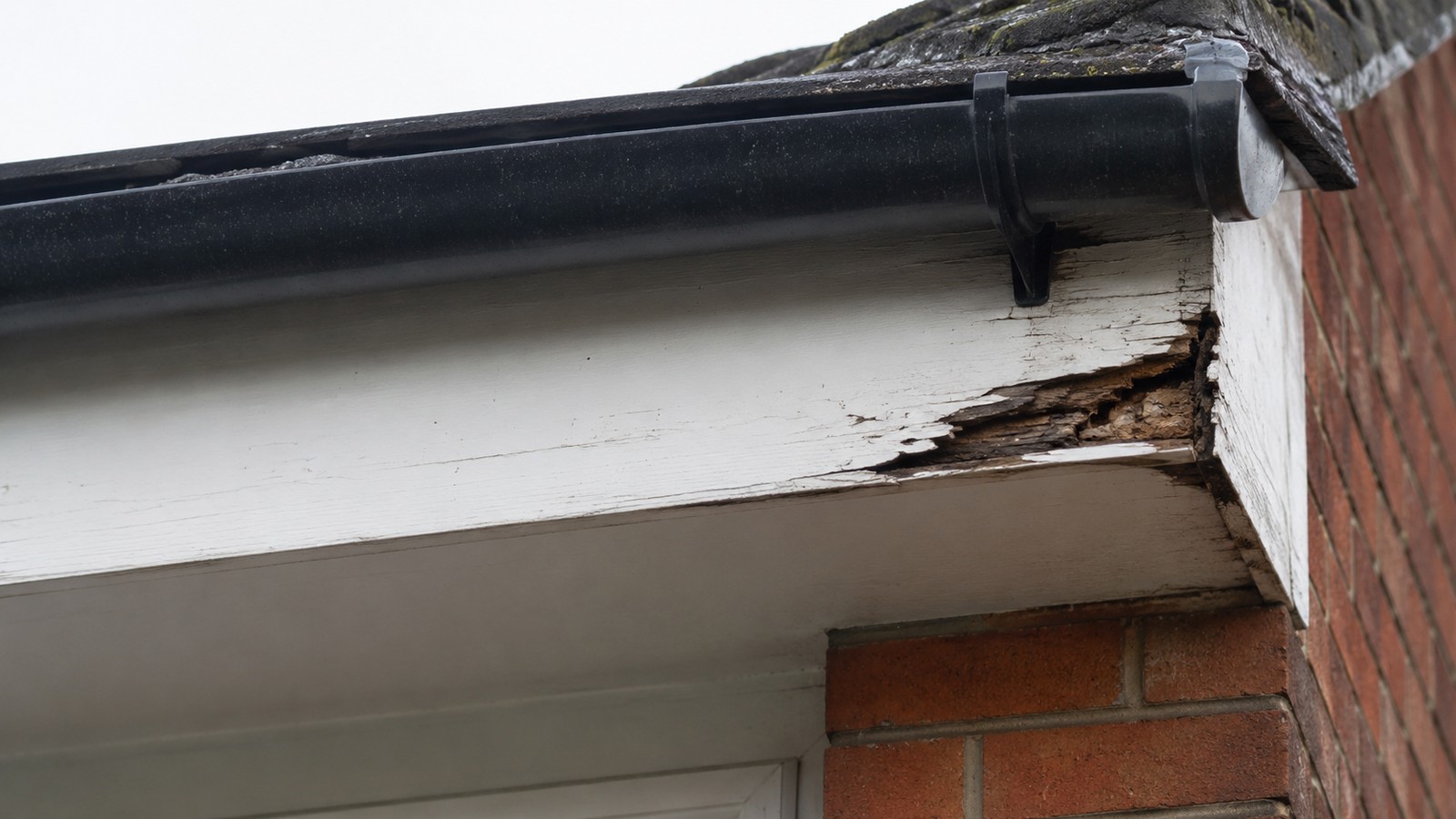
Both need moisture
The names can be misleading because dry rot also requires damp conditions. The important difference is the fungus involved and the way the outbreak behaves in the building.
Dry rot can travel beyond the original timber
Dry rot can produce strands and mycelium that cross masonry in search of further timber and moisture. Many wet rots remain more closely associated with the immediate wet area.
Timber appearance helps but does not settle the diagnosis
Dry rot commonly produces brittle brown decay and cuboidal cracking, while wet-rot damage can be more variable. Old dry timber, other brown rots and previous treatment can confuse the picture.
The repair still begins with the same question
Whichever fungus is present, the source of persistent moisture has to be found and corrected. The extent of structural damage can then be assessed once the building is drying.
Useful technical sources
- Historic England — Timber Decay in Buildings and its Treatment
- Historic England — Timber Treatments and Pest Control
These links provide background guidance. A particular building still needs its own inspection.