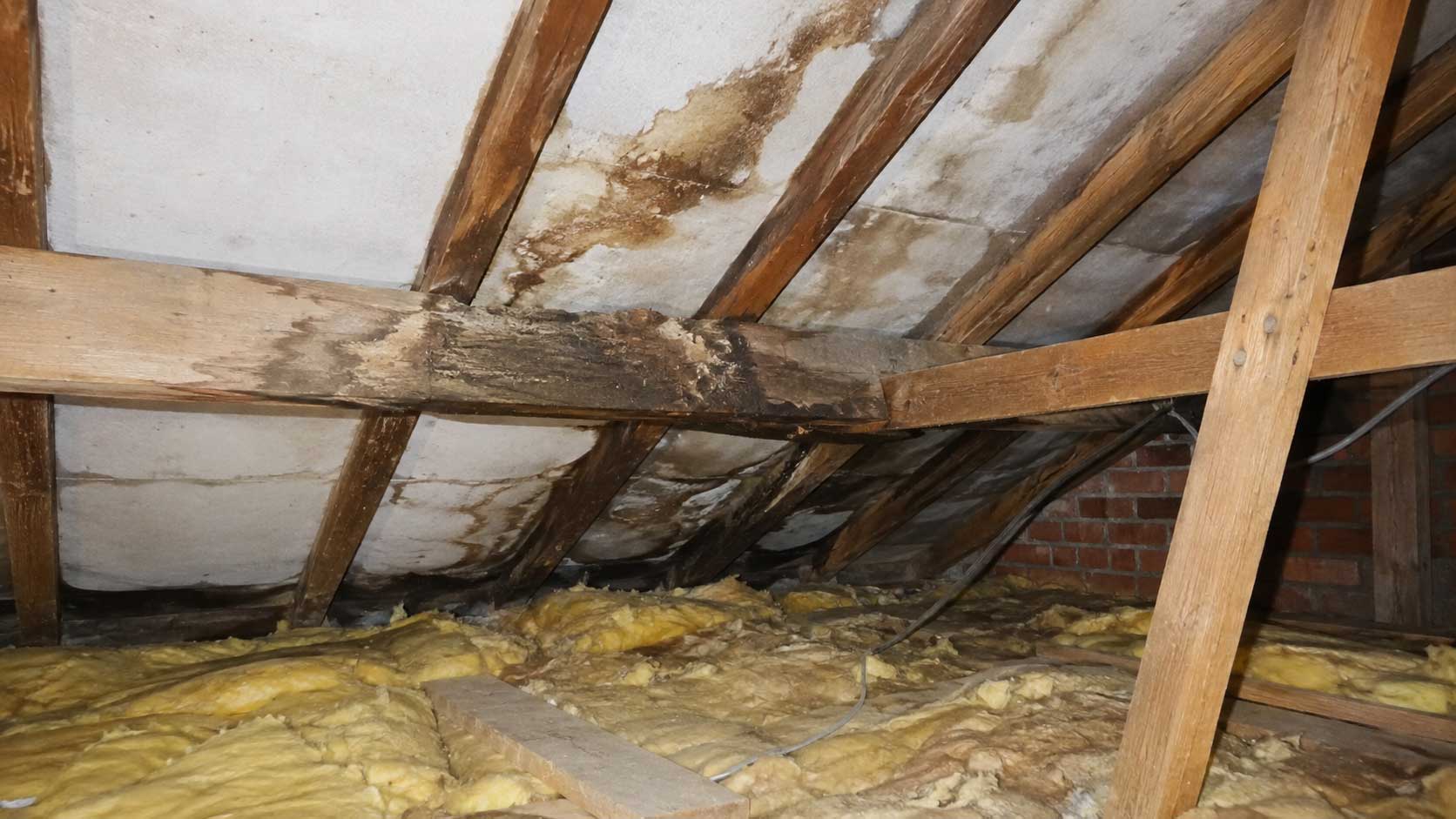
A roof leak can stay hidden
Water can run along felt or timber before reaching the loft floor. A rafter may therefore be decaying some distance from the broken slate, failed valley or chimney detail that admitted the rain.
Condensation creates a different pattern
A local leak normally produces a local wet area. Condensation is more likely to affect many rafters, nail heads or areas of underlay at once, particularly after cold weather.
Purlins and wall plates deserve special care
These members can carry substantial roof loads. If decay has reduced their section, the repair should be designed around the remaining strength rather than simply treating the surface.
Think about bats before treatment
Historic England warns that timber treatments in roof spaces may affect bats. Where bats may be present, appropriate ecological advice may be needed before treatment or disruptive work begins.
Useful technical sources
These links provide background guidance. A particular building still needs its own inspection.